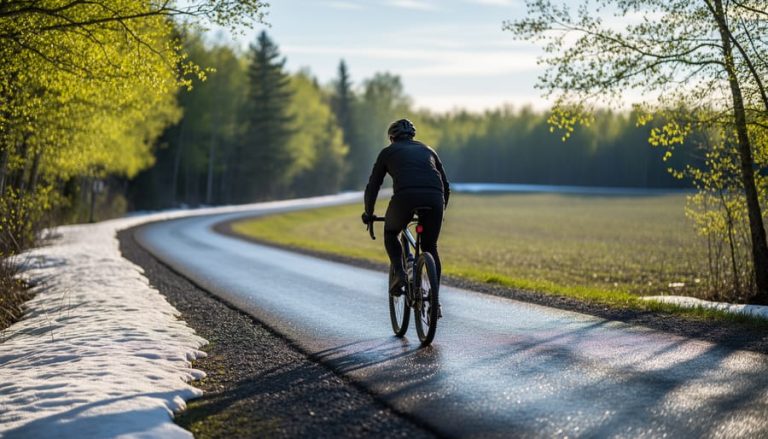
Albedo is the measure of how much sunlight a surface reflects back into space, expressed as a ratio between 0 and 1. A fresh snowfield with an albedo of 0.9 bounces back 90% of incoming solar energy, while dark ocean water at 0.06 absorbs nearly all of it. This simple difference in reflectiveness shapes everything from local temperatures on your favourite hiking trail to global climate patterns affecting communities across Canada.
Understanding albedo helps explain why spring snow melts faster once dirt appears on its surface, or why cities feel hotter than nearby forests. When you’re …
Category: Outdoor Climate Action
Content about rides, hikes, and related programming that mobilize people for climate advocacy—covering event listings, routes, toolkits, and participant engagement tied to environmental impact.
How Climate Change Campaigns Are Turning Outdoor Enthusiasts Into Powerful Changemakers
Climate campaigns work by connecting personal values to collective action, turning concern into measurable environmental impact through storytelling, community mobilization, and accessible participation opportunities. The most effective initiatives share three core elements: they make the problem feel solvable rather than overwhelming, they create visible wins that inspire continued effort, and they invite people to contribute in ways that align with their existing interests and lifestyles.
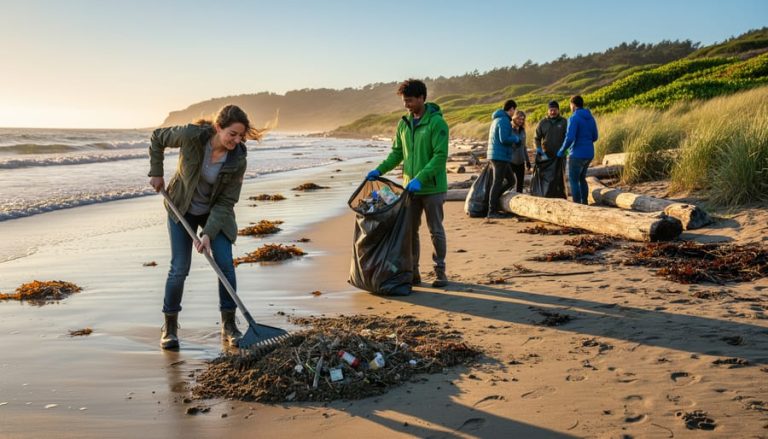
Across Canada in 2026, communities are proving that climate action doesn’t require sacrifice or expertise. It starts with a single beach …
How Light Pollution Affects the Environment (And What We Can Do About It)
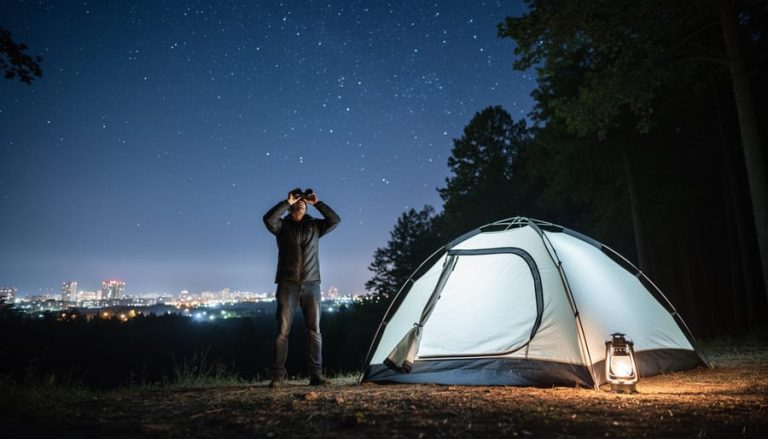
Look up on a clear night during your next camping trip or while packing your bicycle touring essentials for a weekend adventure. Can you see the Milky Way? For most Canadians living near urban centers, the answer is no. We’ve lost something profound: our connection to the night sky.
But this loss runs deeper than missing stars.
Artificial light at night has transformed our world in less than a century. Street lamps, billboards, security lights, and the glow …
How Does Global Warming Affect the Environment? What Every Canadian Is Seeing Right Now
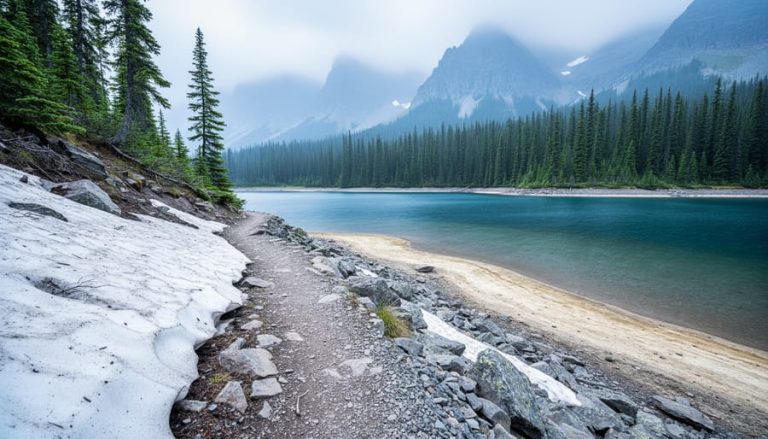
The mountains you climbed last summer had less snow. The lake where your family camps reached record-low water levels. That favorite trail you hike every spring bloomed two weeks earlier than usual.
These aren’t random changes. They’re visible signs of how global warming is reshaping the environment around us, transforming ecosystems at a pace scientists once thought impossible. Across Canada in 2026, we’re not just reading about climate change in distant headlines. We’re seeing it, breathing it, and experiencing it every time we step outside.
Global warming affects the environment through a cascade of…