
 floyd
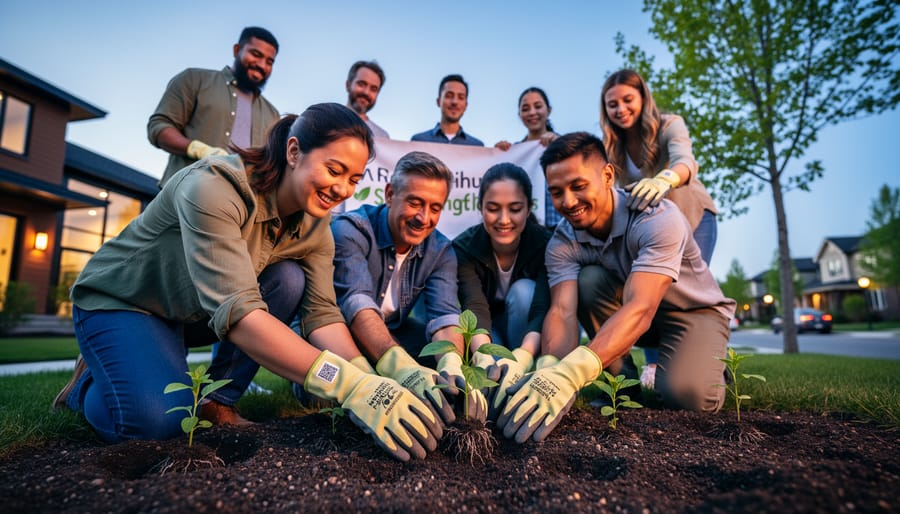
An involvement community transforms strangers into collaborators by creating meaningful pathways for people to contribute their skills, time, and passion toward shared goals. Unlike passive membership where you simply sign up or follow along, true involvement means showing up, taking action, and building relationships that create tangible change in your neighborhood, your city, or the causes you care about.
The difference between belonging and truly being involved comes down to this: involvement communities don’t just exist for you. They exist because of you.
Consider the cycling advocacy group that started with five people meeting at a coffee shop and now influences municipal bike lane policy across three provinces. Or the weekend trail maintenance crew that’s cleared over 200 kilometers of hiking paths while forging friendships that last decades. These groups thrive because their members moved beyond observing to actually doing the work, sharing ideas, and inviting others along.
What makes these communities so powerful in 2026 is their ability to channel individual energy into collective impact. When you’re part of an involvement community focused on environmental action, every hour you contribute, whether leading a community bike ride or organizing a cleanup hike, multiplies through the efforts of everyone else. You’re not just participating in activities. You’re building the infrastructure for others to join, learn, and lead.
The beauty of this approach is how it meets people where they are. Some community members start by attending one event. Others dive straight into organizing. The common thread is simple: everyone finds a way to contribute that feels authentic to their abilities and available time. That flexibility, combined with the momentum of working alongside people who share your values, creates something rare in modern life. Real connection tied to real progress.
What Makes an Involvement Community Different
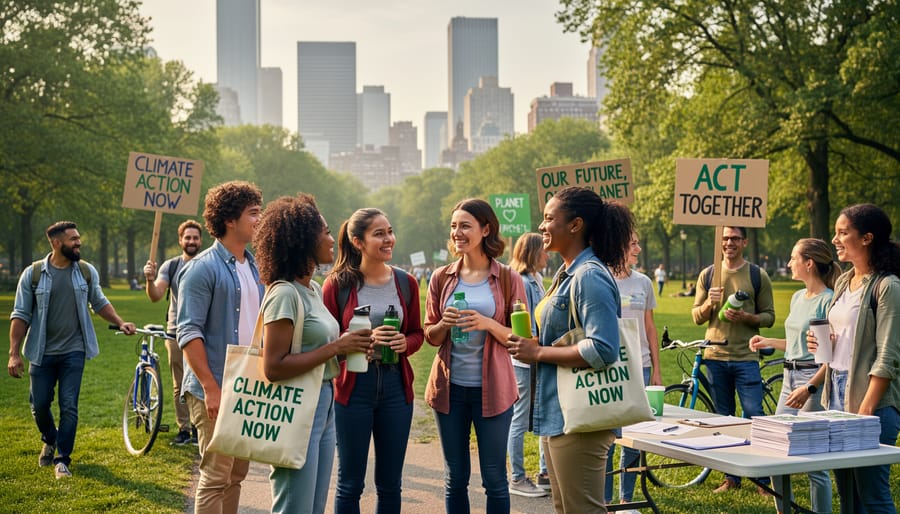
You’ve probably been part of groups that exist only on paper, names on an email list, faces that appear once and disappear, communities in name but not in practice. Involvement communities work differently. They’re built on the principle that everyone shows up, contributes something, and walks away changed by the experience.
The defining difference is active participation. In a passive membership group, you pay dues or add your name to a roster and that’s enough. In an involvement community, your presence matters because these groups exist through what members do together, not just who they are. When you join a local cycling collective working toward climate action, you’re not signing up to observe, you’re committing to ride with confidence alongside others, plan routes that highlight environmental issues, or help newcomers feel welcome on their first group ride.
Shared values form the second pillar. Traditional membership organizations might bring together people with vague common interests. Involvement communities gather around specific, deeply-held beliefs that drive action. Environmental cycling groups don’t just appreciate nature, they believe pedaling can be climate activism, that transportation choices matter, and that showing others a car-free lifestyle creates ripples of change. This clarity of purpose means conversations go deeper than small talk. You’re discussing how to make your city more bikeable, strategizing about local advocacy, sharing stories of converting skeptical friends into regular riders.
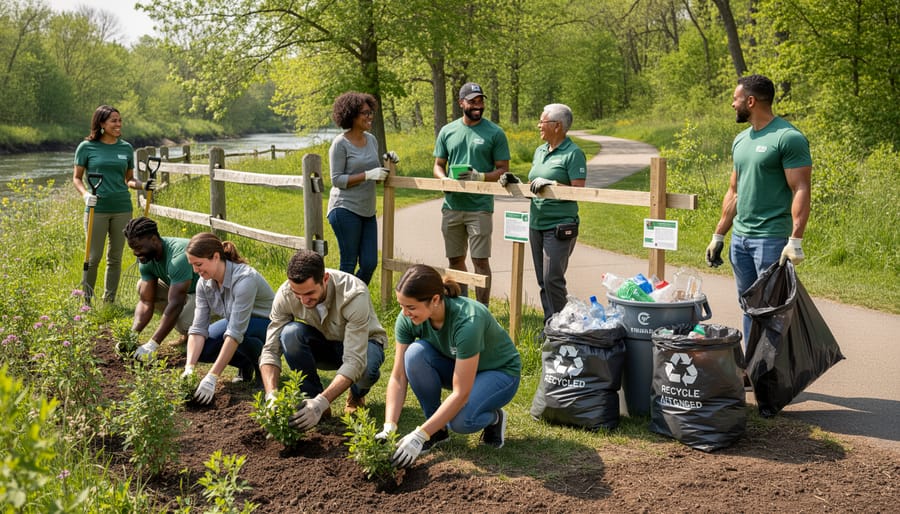
The third characteristic is collective action with visible outcomes. Involvement communities produce tangible results you can point to: trails maintained, awareness rides completed, community gardens planted, local policies influenced. A hiking group that cleans up parks together creates something beyond individual exercise, they’re stewarding shared spaces while building relationships that sustain long-term environmental commitment. Each person’s effort combines with others to achieve what none could manage alone, and that’s where empowerment begins.
The Ripple Effect: How One Person’s Involvement Inspires Many
When Sarah joined her first Ride for Climate Canada event in Vancouver, she didn’t expect to become a catalyst for change. She showed up alone, nervous about keeping pace with experienced cyclists, and unsure if she belonged. Three years later, she’s brought 47 people into the movement, not through grand gestures, but through simple invitation and genuine enthusiasm.
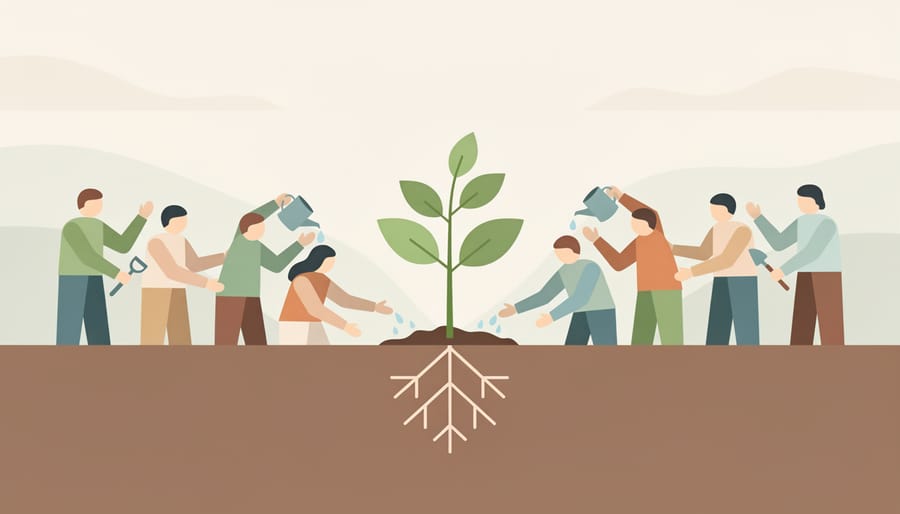
Sarah’s story illustrates what happens when one person’s involvement becomes contagious. After that first ride, she couldn’t stop talking about the experience at work. Her colleague Mark, who’d been thinking about getting back into cycling, decided to join the next event. Mark brought his teenage daughter. The daughter invited two friends from her environmental club. Those friends mentioned it to their parents. Within six months, Sarah’s initial spark had ignited a small network of regular participants, several of whom have since organized their own local rides.
This multiplier effect isn’t unique to Sarah. Communities that transform everyday outdoor enthusiasts into changemakers outdoors see it repeatedly. David started hiking with a climate-focused group in Toronto after his sister dragged him along. He was skeptical about whether weekend hikes could matter for environmental advocacy. But watching the group’s genuine care for the trails and their conversations about local conservation efforts shifted something in him. Now he coordinates monthly hikes that combine trail maintenance with discussions about protecting green spaces, routinely drawing 20 to 30 participants.
The pattern holds across involvement communities: one person’s visible engagement gives others permission to join. When Emma posted photos from her first long-distance charity bike ride on social media, three of her neighbors reached out asking how they could participate. Her openness about starting as a beginner made the movement feel accessible rather than intimidating.
These ripples extend beyond direct recruitment. Family members start biking more. Workplaces hear about climate action in lunch conversations. Friends reconsider their weekend plans. Each person who gets involved creates dozens of small moments where someone else sees that participation is possible, normal, and rewarding.
Building Bridges: Connection as the Foundation of Empowerment
When Sarah joined her first group ride for climate action, she wasn’t sure she belonged. She’d never considered herself an activist, and the 50-kilometer route felt intimidating. But something shifted when another rider pulled up alongside her on a steep hill, offered encouragement, and matched her pace until they crested together. That small act of connection became the bridge to everything that followed.
Involvement communities function as amplifiers of individual capacity. What feels impossible alone, organizing an advocacy event, speaking to local officials about bike infrastructure, mobilizing dozens of people for an environmental initiative, becomes achievable when you’re surrounded by people who believe in the same goals. This isn’t just emotional support, though that matters enormously. It’s practical empowerment: shared knowledge about which city councillors care about green spaces, pooled equipment for trail cleanups, collective experience navigating permit processes for community events.
The psychological shift is profound. Participants consistently report feeling less anxious about climate change when they’re taking action with others. There’s power in looking around during a community ride and seeing fifty, a hundred, two hundred people who care enough to show up. That visibility transforms abstract concern into tangible momentum. You’re no longer carrying the weight of environmental challenges alone, you’re part of something actively addressing them.
These connections also create accountability that sustains commitment through seasons and setbacks. When you’ve promised to meet the Saturday morning hiking group, you show up even when motivation dips. When someone remembers your idea from last month’s meeting and asks how it’s progressing, you follow through. The community becomes a container that holds your intentions until they become habits.
Perhaps most critically, involvement communities normalize ambition. Being around people taking bold environmental action recalibrates your sense of what’s possible. The person organizing regional rides seemed like a superhero until you learned they started exactly where you are now. Suddenly your own capacity expands to fill the space the community creates for it.
From Participation to Ownership: The Journey of Deep Involvement
Most people discover involvement communities the same way, they show up to one event, curious but uncertain. Maybe it’s a local trail cleanup ride or a community bike rally for climate action. They come as observers, testing the waters, not yet imagining they might one day be organizing these gatherings themselves.
But involvement communities have a beautiful way of turning participants into leaders. The journey happens naturally, almost invisibly, as people find their place and realize they have something valuable to contribute.
- The Curious Newcomer: You attend your first event, feeling the energy of collective action. You learn the routes, meet the regulars, and start understanding what the community stands for.
- The Returning Participant: You come back, bringing a friend this time. You know a few faces now, and you’re starting to see how your presence matters to the group’s momentum.
- The Active Contributor: You volunteer to help with small tasks, posting on social media, bringing supplies, welcoming other newcomers. You’re no longer just attending; you’re supporting.
- The Coordinator: You step up to organize a specific aspect of an event, maybe planning a route, managing registration, or coordinating with local partners. You’re learning the mechanics of making things happen.
- The Empowered Leader: You initiate your own event or project within the community framework. You’ve gone from wondering if you belong to creating spaces where others discover they belong too.
This progression isn’t rigid or mandatory. Some people happily remain in stage two for years, showing up consistently and bringing others along. Others skip ahead, finding that leadership clicks with their strengths and schedule. The beauty of involvement communities lies in honoring every level of engagement.
What makes this journey possible is that each stage builds genuine skills and confidence. When you help coordinate one event, you’re not just checking a box, you’re learning logistics, communication, problem-solving. You’re discovering capacities you didn’t know you had. A teacher becomes an event planner. An accountant becomes a community builder. A retiree becomes a climate advocate who mobilizes dozens.
The pathway from participation to ownership transforms environmental action from something experts do into something everyone can lead.
Creating Space for Every Voice
True involvement communities don’t just accept diversity, they actively design for it. When you show up to a community ride or trail cleanup and see yourself reflected in the faces around you, that’s not an accident. It’s the result of intentional choices that prioritize accessibility over exclusivity.
The best communities recognize that barriers to participation often hide in plain sight. A meeting scheduled during work hours excludes those without flexible jobs. Events that assume expensive gear keep out people on tight budgets. Routes designed only for experienced cyclists leave beginners watching from the sidelines. Each overlooked barrier silences voices that could bring fresh perspectives to climate action.
Removing these obstacles starts with asking better questions. What would make this event accessible to someone with mobility challenges? How can we support parents who need childcare to participate? Are our communications reaching beyond the usual circles? Communities that ask these questions, and act on the answers, create genuine space for everyone.
Equally important is how communities handle the contributions people make. Some participants will lead rides. Others will share events online, bring homemade snacks, or simply show up with enthusiasm. A truly inclusive community values all these forms of involvement equally, understanding that engagement looks different for everyone.
The environmental movement needs the wisdom of Indigenous communities, the innovation of youth, the stability of seniors, and perspectives from every economic background. When involvement communities create structures that welcome this full spectrum of humanity, climate action becomes stronger, more creative, and more sustainable. Your community doesn’t need to be perfect from day one, but it does need to be committed to continuous improvement in making space for every voice.
Taking Your First Step Into Community Involvement
You don’t need to completely overhaul your life to make a difference. The best entry point is often the one that aligns with what you already enjoy and fits your current schedule.
Start by attending a single event. Sign up for a local bike ride, join a trail cleanup, or show up to a community meeting about a cycling infrastructure project. These low-commitment opportunities let you explore what resonates without pressure. You’ll meet people, get a feel for the community’s energy, and discover whether this particular group matches your interests and values.
If you’re hesitant because you’re not an expert cyclist or experienced hiker, remember that involvement communities welcome people at every skill level. Before your first ride, review basic bicycle safety tips or research appropriate hiking safety gear for the trail conditions. These practical preparations build confidence and help you focus on connection rather than worry.
Once you’ve attended a few events, consider deepening your involvement by volunteering for a specific role. Offer to help with social media, coordinate carpools, scout new routes, or welcome first-timers. Small contributions create meaningful impact and help you build relationships within the community.
Ready for more? Organize something yourself. It doesn’t have to be elaborate, a monthly neighbourhood bike ride or a quarterly trail stewardship day is enough. Use your local knowledge to choose a route, pick a date, and invite a few friends. You’ll be surprised how many people are waiting for someone to take that first organizing step.
The key is matching your involvement to your capacity right now, not some idealized future version of yourself. Whether you can commit two hours a month or twenty, your participation strengthens the collective effort and opens doors you didn’t know existed.
The path forward in addressing climate challenges doesn’t require superhuman effort or specialized expertise. It starts with a single decision: to be part of something larger than yourself. When you join an involvement community centered on environmental action, you’re not just adding your name to a list. You’re stepping into a living network where your presence matters, your actions create momentum, and your growth strengthens everyone around you.
Community involvement and empowerment aren’t separate concepts. They’re two sides of the same experience. Every time you show up for a group ride, organize a local trail cleanup, or bring a friend to their first environmental event, you’re simultaneously building collective power and discovering capabilities you didn’t know you had. The community empowers you to do more than you thought possible, and your involvement makes the community stronger for the next person who arrives uncertain but hopeful.
The climate crisis can feel overwhelming when faced alone. But across Canada, thousands of people are discovering that the antidote to despair is connection, and the pathway to impact is participation. Through outdoor climate campaigns that combine the joy of cycling and hiking with meaningful environmental stewardship, ordinary people are creating extraordinary change.
Your involvement doesn’t need to be grand to be significant. It just needs to be genuine. Start where you are. Bring what you have. Join others who believe, as you do, that our relationship with the planet can be transformed through shared action and collective care. The community is ready for you.